Full Description
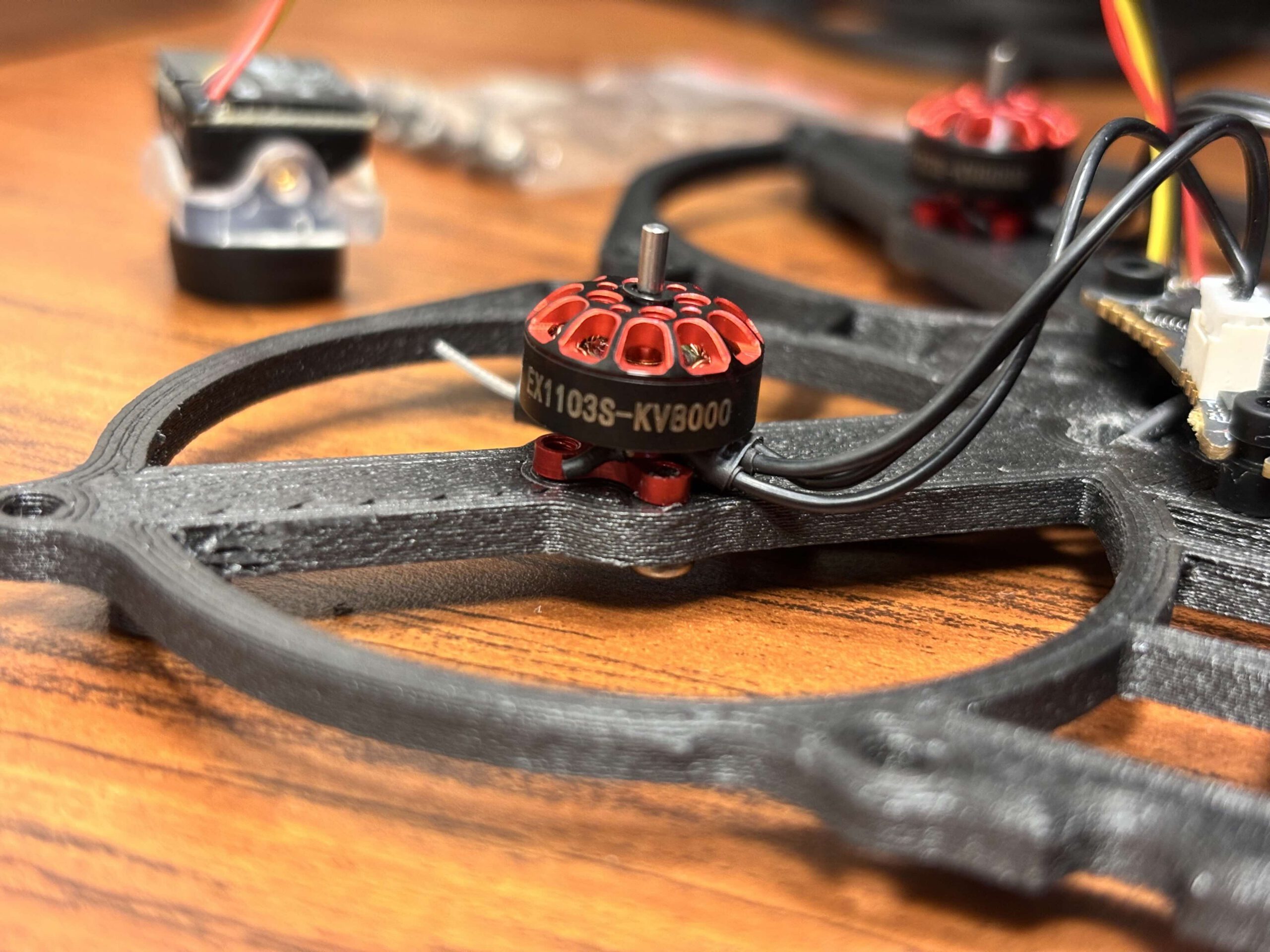
This project serves as an essential gateway for a non-STEM student to delve into the fascinating world of engineering by acquiring a diverse set of practical and technical skills. The primary objective is to bridge the gap between theoretical knowledge and hands-on experience, enabling the student to gain proficiency in various engineering tasks. These tasks include, but are not limited to, soldering, 3D printing, prototyping, designing circuit boards, and honing problem-solving abilities. Each of these skills is crucial for understanding and executing engineering projects effectively.
Moreover, the project places a significant emphasis on developing software skills, which are indispensable in modern engineering practices. This includes learning how to flash firmware onto microboards such as Arduino, configuring 3D printers, and creating 3D models using software like Rhino. These software skills complement the hardware skills, providing a well-rounded educational experience that prepares the student for a wide range of engineering challenges.
The ultimate aim of the project is to create something tangible from scratch or to build upon a similar DIY project available online. This approach not only fosters creativity and innovation but also provides a sense of accomplishment and practical understanding of engineering concepts. To maintain motivation and personal interest, I am planning to create something that is personally useful, such as a custom keyboard, a music player, a mini drone, or any other device that sparks their curiosity and meets their needs.
By the end of this month-long self-directed project, I will have gained a comprehensive understanding of both hardware and software aspects of engineering, equipping them with the skills and confidence to pursue further studies or projects in the field. This project is not just an educational endeavor but a transformative experience that opens up new possibilities and pathways in the world of engineering.
Learning Goals
- Hands-on Technical Skills: The primary goal is to develop practical skills in soldering, 3D printing, prototyping, and designing circuit boards. These skills are fundamental in engineering and will provide a solid foundation for future projects.
- Software Proficiency: Another key objective is to enhance software skills, including firmware flashing on microboards like Arduino, configuring 3D printers, and 3D modeling using Rhino. Mastery of these software tools is crucial for modern engineering tasks.
- Problem-Solving Abilities: The project aims to improve problem-solving skills by tackling real-world engineering challenges. This includes troubleshooting issues that arise during the project and finding innovative solutions.
- Project Management: Managing a project from conception to completion is a vital skill. This project will teach you how to plan, execute, and review your work, ensuring that you meet your goals within the given timeframe.
- Creativity and Innovation: By creating something from scratch or modifying an existing DIY project, you will foster creativity and innovation. This goal encourages thinking outside the box and developing unique solutions.
- Personal Motivation and Interest: Creating something useful to me, such as a keyboard, music player, or mini drone, will keep me motivated and engaged. This personal connection to the project will enhance my learning experience.
- Comprehensive Understanding: By the end of the project, I should have a well-rounded understanding of both hardware and software aspects of engineering. This holistic approach will prepare me for more advanced studies or projects in the field.
- Confidence Building: Successfully completing the project will boost my confidence in my beginning engineering abilities, encouraging me to take on more complex challenges in the future.
Project Logistics and Agenda
Tentative Schedule; subject to change. The nature of projects requires a great flexibility for scheduling.
By the 2nd week of December:
- Purchase all the tools and other necessities for the project. It includes a soldering iron, 3D printer, wires, motors, controller boards, 3D printer filaments, and so on.
By the end of the year:
- Have all the tools and other materials in my hand. If anything is missed, I will order it by this time.
1st week of Winter Term:
- Built and set up a 3D printer and finished calibrating. It should be ready to use.
- Set up the soldering iron and practice soldering using solder training boards.
- Start prototyping the mini drone’s exoskeleton.
2nd week of Winter Term:
- Print the mini drone’s exoskeleton.
- Flash a microboard to make it capable of controlling drones.
- Wire motors and a microboard by soldering.
3rd week of Winter Term:
- Fly the mini drone!
- Build up the keyboard
- Do anything I missed
4th week of Winter Term:
- Publish my work and its processes on my website.
- Update my website’s backend structures.
- Wrap up my Winter Term project!
Budget
| Items | Estimated Price |
|---|---|
| Soldering Iron | 70 |
| Keyboard Kit | 100 |
| Keycaps & Keyswitches | 60 |
| 3D Printer | 110 |
| 4 x 3D Printer Filaments | 80 |
| 5 x Controller Board | 50 |
| Motors | 15 |
| Soldering Kit | 20 |
| Wires | 10 |
| Total | 515 |
Project Artifacts
Project artifacts are:
- A weekly report of each step and related problems that I faced during the project published on my personal website, satouchida.github.io,
- Functioning gadgets such as a keyboard, mini drones, music player, and anything I made during the project,
- A 3D printer that I built.
Most importantly, it will equip me with practical engineering skills.
Reflective Practice and Self-Assessment Plans
The project itself requires continuous self-reflection, self-assessment, and refinement based on things that went wrong. More concretely, I would do:
1. Reviews
- Write Daily Entries: At the end of each day, create a post covering what I worked on, what I learned, and any challenges I faced.
- Reflect on Progress: Note any progress made towards my project goals and how I overcame obstacles.
- Summarize Achievements: At the end of the project, summarize what I have accomplished.
2. Set Proximal Goals
- Define Clear Milestones: Break my project into smaller, manageable milestones.
- Evaluate Milestone Completion: Assess my performance upon reaching each milestone.
3. Feedback from my Sponsor
- Weekly Feedback: Use Abe’s insights to refine my approach and address any weaknesses.
4. Use a To-do list
- Create a To-do list: List the progress I want to make.
- Self-evaluation: Periodically rate my progress.
5. Document challenges and solutions
- Analyze problems: Reflect on how I solved problems and what I learned from each problem I faced.
6. Final reflection
- Comprehensive review: At the end of the project, conduct a comprehensive review of my entire journey as a single post.
- Identify what I have done: Put newly acquired skills into my resume, LinkedIn, and Handshake.
Sponsor
Abe Reshad, Director of Language and Integrative Teaching and Learning Technologies and Administrator of Academic Support at Oberlin College. I would like to express my special thanks to his dedicated effort for students and for this Winter Term project.